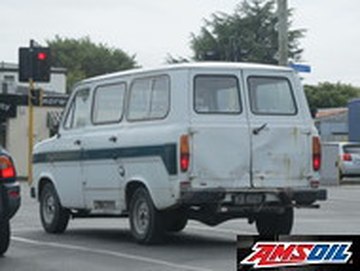
Maintaining Lubrication Standards for the 1981 Ford Trucks E100 VAN 5.0L
Proper engine care for a vehicle like the 1981 Ford Trucks E100 VAN requires a consistent approach to fluid maintenance and mechanical inspection. With a 5.0L engine, ensuring that the internal components receive appropriate lubrication is a fundamental aspect of long-term ownership. Because vehicles from this era have been in operation for many years, maintenance strategies often shift from simple routine changes to more observant, condition-based monitoring.
Monitoring Fluid Integrity and Consumption
One of the most effective ways to monitor the health of the 5.0L engine is to pay close attention to how the lubricant behaves over time. Rather than relying solely on a calendar, an owner can gain significant insight by observing changes in fluid levels and appearance. If you notice that the oil level is dropping more rapidly than expected between service intervals, it warrants a closer investigation into potential causes.
Changes in the physical characteristics of the oil can also serve as indicators for further inspection. For example, if the lubricant appears excessively dark or shows signs of heavy contamination shortly after a change, this may indicate that the engine is experiencing high levels of internal soot or other particulates. Similarly, any unusual odors or changes in the texture of the fluid should be noted. While these symptoms can be associated with various factors, including driving habits or environmental conditions, they are important signals that the lubrication system requires attention.
Observing Potential Warning Signs
Identifying issues early can prevent more significant mechanical complications. When operating the 1981 Ford Trucks E100 VAN, several indicators may suggest that a component requires professional diagnosis. It is important to remember that a single symptom does not always point to one specific failure; rather, it serves as a prompt for a thorough inspection.
- Visible Seepage: Regularly check the area around the engine for any signs of fluid weeping or active leaks. Even small amounts of seepage on gaskets or seals can eventually lead to significant fluid loss if left unaddressed.
- Exhaust Observations: While exhaust color can be influenced by many factors, certain types of smoke may indicate that oil is entering the combustion process. This should be investigated to determine the source.
- Audible Changes: Any new or unusual mechanical noises coming from the engine compartment during startup or while idling can be associated with lubrication issues or mechanical wear.
- Dashboard Indicators: If the vehicle is equipped with oil-related warning lights, these should never be ignored. An active warning light requires immediate investigation to prevent potential damage.
Condition-Based Maintenance Priorities
As a vehicle ages, the strategy for maintenance often evolves from following a rigid schedule to prioritizing tasks based on the actual condition of the components. For an owner of a 1981 Ford Trucks E100 VAN, this means looking at the vehicle as it exists today rather than assuming its needs based solely on its age.
Establishing a maintenance baseline is particularly useful if the previous service history of the van is unknown. By performing a comprehensive inspection of all fluids, belts, and hoses, an owner can create a "starting point" for future care. Once this baseline is established, you can track how quickly components age or how frequently certain fluids need attention. This approach allows you to distinguish between necessary preventive maintenance and unnecessary parts replacement, focusing your resources on the areas that actually require service.
When managing an older engine, it is helpful to review any available repair records to see if there are recurring themes in the vehicle's history. If certain components have been replaced recently, they may require less immediate attention than aging parts that show signs of wear, such as cracking or glazing on accessible belts (if equipped) or hardening in rubber hoses.
Inspecting Aging Engine Components
A proactive approach to maintenance involves the regular visual inspection of various engine-related parts. For a 1981 Ford Trucks E100 VAN, this includes checking for signs of age-related deterioration that could impact performance or reliability.
Inspect all accessible hoses and electrical connections for signs of fraying, cracking, or corrosion. Electrical connectors that have become loose or oxidized can lead to inconsistent engine performance. Furthermore, if the vehicle is equipped with various drive belts, check them for any evidence of glazing, fraying, or deep cracks. While these inspections are routine, they provide a vital window into the overall state of the engine's peripheral systems.
It is also beneficial to inspect the area around the oil filler cap and the dipstick to ensure that seals in those areas remain intact. Any evidence of moisture or sludge buildup in these locations can be an indicator of how the engine has been treated over the years and may suggest a need for more frequent lubrication service.
Effective Record Keeping for Long-Term Ownership
Maintaining a detailed log of all services performed on the 5.0L engine is one of the most valuable tools for any owner. A well-kept record includes not just the dates and mileage of oil changes, but also specific details regarding the products used, such as the brand and type of lubricant. Documenting observations—such as "noted slight seepage near the valve cover" or "replaced air filter"—helps in identifying patterns over time.
Having a clear history of maintenance can be incredibly helpful when diagnosing new issues. If a specific symptom arises, you can look back at your records to see if it has occurred before or if it coincided with a recent service. This level of detail transforms routine maintenance from a series of isolated tasks into a comprehensive management strategy for the vehicle's longevity.
Practical Guidance for Buying Engine Oil for the 1981 Ford Trucks E100 VAN 5.0L
When it is time to replenish the engine lubricant, your primary goal should be to match the product to the specific requirements of your engine. To ensure you are using the correct formulation, always refer to the application-specific oil viscosity and information already displayed on this webpage.
Before making a purchase, carefully check the product labeling to confirm it meets the necessary standards for your vehicle. While modern formulations offer various options, such as conventional, synthetic blends, or full synthetic oils, you should select the one that aligns with the application details provided here. For engines with higher mileage, some owners may consider high-mileage oil formulations, which contain additives intended for use in aging engines and may include seal-conditioning properties. However, the most important step is to ensure the viscosity matches the vehicle-specific information listed above to maintain proper lubrication characteristics under your specific operating conditions.